We offer home-based bladder control treatment, ideal for individuals with mobility challenges or travel limitations. Our services are designed to integrate effortlessly into your schedule. Contact our team today for more information.
Call our team now 03300 100 238
Mastering Bladder Control. Lifestyle Strategies for Managing Urine Incontinence
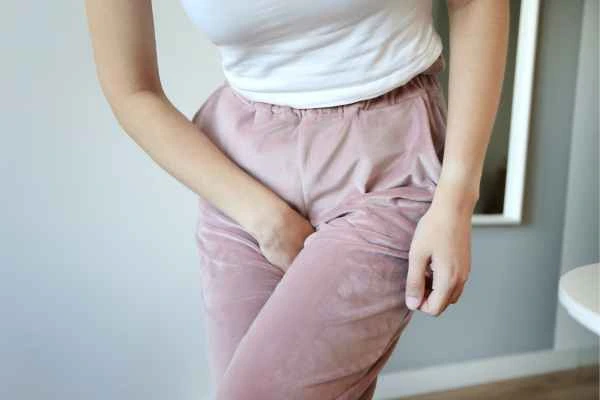
This article offers an in-depth examination of urinary incontinence. Including its causes and impact on daily life. Offers practical tips and strategies for managing the condition. Through lifestyle modifications such as dietary changes. Pelvic floor exercises, bladder training, and hydration management. Weight control and avoidance of bladder irritants.
Urine Incontinence
Understanding Urine Incontinence
Urine incontinence is a medical condition that involves. The unintentional passing of urine. It can have a profound impact on an individual’s quality of life.
The intricacies of this condition are manifold. Various factors can trigger it, including age, pregnancy, and childbirth. And menopause is a common cause of urinary incontinence. Due to the physiological changes. Associated with these life stages.
Underlying medical conditions, such as urinary tract infections. Neurological disorders, or diseases. Affecting the bladder’s nerves or muscles can lead to incontinence.
It’s important to note that urine incontinence. It is a pervasive issue that affects millions of individuals worldwide.
The involuntary loss of bladder control. It is not just a physical issue; it can impede day-to-day activities. Causing shame and emotional distress.
The severity of urine incontinence. Extends beyond the physical disruption. With a considerable impact. On an individual’s emotional well-being and lifestyle.
The causes and implications of this condition. It is the first step towards managing it and improving the quality of life for those affected.
Lifestyle Modifications for Managing Urine Incontinence
Lifestyle modifications can play a crucial role in managing urinary incontinence and providing practical solutions for individuals seeking to enhance bladder control.
Dietary adjustments, pelvic floor exercises. Bladder training, hydration management. Weight control and avoidance of bladder irritants. Lifestyle changes that can impact urinary incontinence.
Dietary Changes
Fluid and food intake can influence bladder control.
Drink more fluids during the morning and afternoon. Rather than at night, and limiting the intake of alcohol. It can help improve bladder control.
Avoiding bladder irritants. Such as coffee, tea, alcohol, and chocolate. It can help minimise urine incontinence.
Pelvic Floor Exercises
Pelvic floor exercises, known as Kegel exercises. Strengthen the pelvic floor muscles. It thereby enhances bladder control and reduces urine leakage.
Bladder Training
Bladder training techniques can improve bladder control. These techniques include maintaining a diary to understand patterns, waiting longer before urinating, and adhering to a regular schedule to reduce episodes of urine incontinence.
Hydration and Fluid Intake
Managing fluid intake can help alleviate symptoms of urinary incontinence. Similar to dietary changes. Drink more fluids during the morning and afternoon, rather than at night. It can enhance bladder control and reduce urine leakage.
Avoiding Bladder Irritants
Avoiding common bladder irritants. It can help improve bladder control and reduce the frequency of urine incontinence episodes. Strategies include minimising the intake of caffeine, alcohol, and other known irritants.
Managing Stress and Anxiety
There is a correlation between stress, anxiety, and urine incontinence. Stress and anxiety management. It can improve bladder control and reduce urine leakage.
Urine Incontinence
FAQs: Managing Urine Incontinence Nottinghamshire & LA-EMS Treatment
Q1. What is LA-EMS treatment, and how does it help with urinary incontinence?
A: The LA-EMS Treatment is a non-invasive treatment that uses High-Intensity Focused Electromagnetic (HIFEM) energy to stimulate and strengthen pelvic floor muscles. You sit fully clothed in a special chair, and the electromagnetic field causes thousands of supramaximal pelvic floor muscle contractions—far stronger than what most people can achieve via voluntary exercises (like Kegels). Over the course of treatment, this helps boost muscle tone, improve bladder support, reduce leaks, and generally enhance bladder control.
Q2. Who is a good candidate for the LA-EMS Treatment?
A: The LA-EMS treatment may be suitable for people with stress, urge, or mixed urinary incontinence. It’s often offered when regular pelvic floor exercises or lifestyle changes aren’t sufficient, or as an adjunct to them. However, not everyone is suitable: people with specific implanted metallic devices, metal near the treatment area, certain neurological or cardiac conditions, or women who are pregnant are usually excluded. A clinical assessment is needed to determine suitability.
Q3. What does a typical LA-EMS Treatment session involve?
A:
- The treatment lasts about 28-30 minutes per session.
- You remain fully clothed and sit on the LA-EMS Treatment chair.
- You’ll experience tingling sensations and contractions in your pelvic floor muscles. It should not be painful. The intensity may increase as tolerated.
- There is no downtime after sessions; you can return to your normal daily activities immediately.
Q4. How many sessions are typically required, and when can I expect to see improvements?
A:
- A typical treatment plan is 10 sessions over about 3 weeks (usually two sessions per week) to get optimal results.
- Many people notice improvements after just 2-3 sessions, although the full benefits tend to develop over time throughout the entire course.
Q5. What lifestyle and behavioural strategies should I pair with The LA-EMS Treatment (or use irrespective of treatment)?
A: Some strategies to help manage incontinence alongside The LA-EMS Treatment or on their own include:
- Pelvic floor exercises (Kegels) should be done consistently and adequately.
- Bladder training / scheduled voiding (timed toilet schedule, delayed urination, etc.) to retrain bladder control.
- Dietary changes: reducing bladder irritants like caffeine, alcohol, spicy/acidic foods.
- Maintaining healthy fluid intake (not under-drinking, not overloading in short periods) to avoid irritation or overload.
- Managing weight (if overweight), avoiding constipation, and regular physical activity to support overall pelvic health.
Q6. How long do results from the LA-EMS Treatment last? Will I need maintenance treatments?
A: Results from the LA-EMS treatment can last several months. Many clinics recommend maintenance or “top-up” sessions every few months (often every 3-6 months), depending on individual response, baseline muscle strength, and how consistently behavioural/lifestyle measures are maintained. Without sustaining the other strategies (exercises, diet, bladder training), there is a risk of regression.
Q7. Are there any side effects or risks of the LA-EMS Treatment?
A: Most people tolerate the LA-EMS Treatment well. Possible side effects are mild and temporary. They may include:
- Mild muscle soreness or fatigue in the pelvic area after sessions
- Tingling sensations during or immediately after treatment
- Slight temporary discomfort, depending on individual sensitivity
Serious adverse events are rare. A complete medical history is taken beforehand to rule out any contraindications, ensuring the therapy is safe. This treatment is FDA-approved.
Q8. How does the LA-EMS Treatment compare with other non-surgical treatments?
A:
| Treatment | How The LA-EMS Treatment Differs / Complements |
|---|---|
| Pelvic floor exercises (Kegels) | Medications (such as anticholinergics) may help reduce urgency/frequency. The LA-EMS Treatment is a drug-free option that may help avoid medication side effects in some cases. |
| Bladder training & behavioural changes | These are still important; The LA-EMS Treatment often works best when combined with these strategies, rather than replacing them entirely. |
| Medications | The LA-EMS Treatment is non-invasive, with no recovery time; surgical options, on the other hand, carry more risk and downtime. LA-EMS is often offered earlier in the treatment pathway. |
| Other device-based or surgical options | The LA-EMS Treatment is non-invasive, with no recovery time; surgical options, on the other hand, carry more risk and downtime. La-EMS is often offered earlier in the treatment pathway. |
Q9. What should I expect at my first appointment / what preparation is needed?
A:
- An initial assessment: reviewing your medical history, type and severity of incontinence, and any previous treatments.
- Discuss expectations and what lifestyle / behavioural changes you may need to make alongside the treatment.
- Wear comfortable clothes for the sessions, preferably no restrictive, tight clothing or metal parts in the pelvic area. Some clinics advise removing jewellery or other metal items.
- You’ll likely be asked to complete or keep a bladder diary (tracking fluid intake, frequency, urgency, leaks) to help tailor your treatment plan.
Seeking Medical Advice for Urine Incontinence Nottinghamshire
Managing urine incontinence requires a combination of lifestyle modifications and medical interventions.
While changes to diet and fluid intake are necessary, exercise and stress management can also play a significant role in managing symptoms. There are instances where these alone may not provide the required relief.
It’s in these cases where it becomes essential. To seek professional medical advice. Medical professionals have a wealth of knowledge and experience. In dealing with urine incontinence. Can provide a comprehensive assessment of the individual’s condition.
They can offer tailored advice and treatment options. That can supplement lifestyle modifications. Enhance their effectiveness.
There are certain circumstances. Under which conditions should immediate medical advice be sought?
Suppose other symptoms, such as blood in the urine, accompany urine incontinence. Sudden onset of the condition. Or if it’s causing significant distress and impacting your quality of life. Then, professional medical advice should be sought.
These symptoms could indicate. A more serious underlying condition. That requires medical intervention.
It’s important to note that urine incontinence. It is not a regular part of the ageing process. And should not be dismissed as such.
No one should feel embarrassed. About seeking help for this condition. It’s a common issue that many people face.
The goal is to ensure that urine incontinence is addressed. It is managed to enable people to continue leading a healthy life. An active and fulfilling life.
Conclusion
The significance of lifestyle modifications. As a critical strategy in managing urinary incontinence. It cannot be overstated.
Effective management of hydration. By consuming more fluids in the morning and afternoon. Reducing nighttime urination can help manage urine incontinence.
Weight management in overweight persons. It can lead to a significant reduction in the number of urine incontinence episodes. At the same time, avoiding bladder irritants is key, such as caffeine and alcohol. It can contribute to improved bladder control.
Despite the effectiveness of these lifestyle modifications. Individuals must understand. That they are not a substitute for professional medical advice.
These strategies can help manage urine incontinence. It’s essential to seek medical advice when lifestyle modifications alone do not provide the desired results. Or when symptoms persist or worsen.
Managing urine incontinence is a journey. That requires a proactive and committed approach. One that combines the adoption of beneficial lifestyle changes. With regular consultations with healthcare professionals.
For Further Information, Call Us On 03300 100 238