Understanding the Risks of Not Removing Skin Tags Nottinghamshire
Skin tags are common, benign growths of the skin that can appear on any part of the body. While they are usually harmless, many people wonder if they pose any risks if left untreated. In this article, we will examine the potential risks associated with not removing skin tags and discuss why it may be beneficial to consider their removal.
What Are Skin Tags?
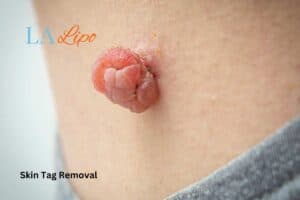
Skin tags are small, soft growths of skin that usually hang off the skin on a stalk.
They are usually skin-coloured or slightly darker and can appear on any part of the body, but are most commonly found on the neck, underarms, and groin areas. Skin tags are more common in people who are overweight or have diabetes.
Are Skin Tags Dangerous if Not Removed?
In most cases, skin tags are not dangerous if left untreated. However, there are several risks associated with not removing them, including:
In most cases, skin tags are not dangerous if left untreated. However, there are several risks associated with not removing them, including:
- Infection – Skin tags can become infected if they are torn or cut, mainly if they are located in an area prone to rubbing or irritation.
- Bleeding – Skin tags can bleed if they are torn or cut, mainly if they are located in an area prone to rubbing or irritation.
- Misdiagnosis – In some cases, a skin tag may be mistaken for a more serious skin condition, such as a wart or mole. Removing it can help ensure an accurate diagnosis.
- Discomfort – Skin tags can be uncomfortable or painful if they rub against clothing or jewellery, especially in areas such as the underarms or groin.
There are several methods of skin tag removal, including:
- Excision – This involves cutting the skin tag off with a scalpel or scissors. This method is quick and effective, but it may leave a small scar.
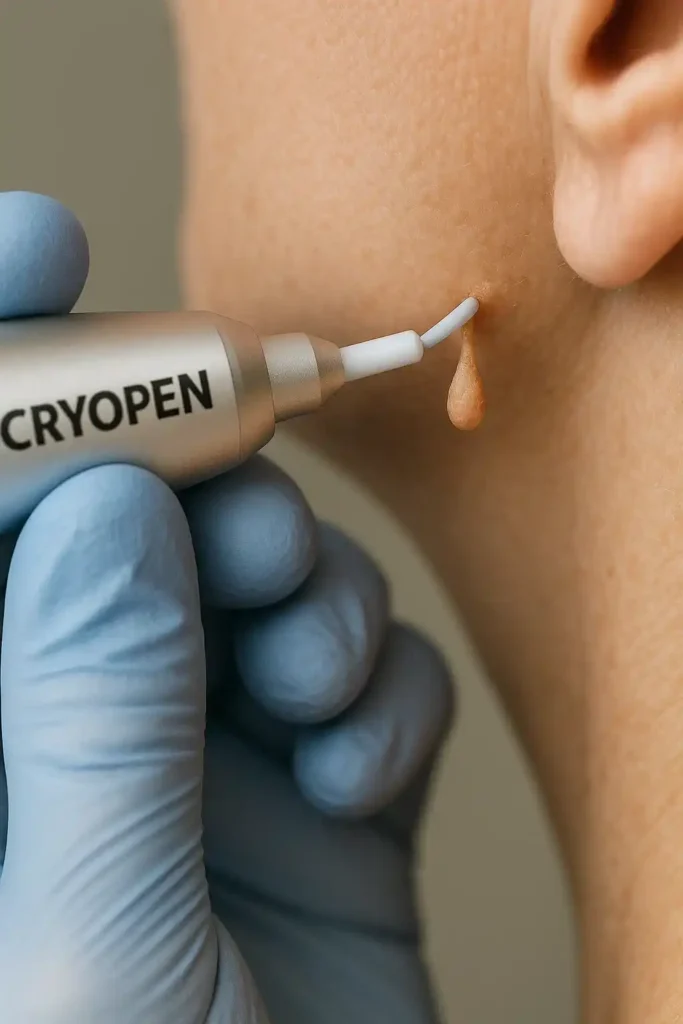
- Cryotherapy – This involves freezing the skin tag with liquid nitrogen, causing it to fall off after a few days. This method is less invasive and may not leave a scar. This is FDA-approved.
- Ligation – This involves tying off the blood supply to the skin tag with a piece of string or dental floss. The skin tag will eventually fall off on its own. This method may take longer but is less invasive than excision and has a lower risk of scarring.
- Laser Removal – This involves using a laser to vaporise the skin tag. This method is non-invasive and may not leave a scar.
Skin Tag Removal from LA LIPO
While skin tags are usually harmless, there are several risks associated with not removing them, including infection, bleeding, misdiagnosis, and discomfort.
If you are considering skin tag removal, it is essential to consult with a qualified healthcare professional to determine the most suitable method for you.
LA LIPO offers safe and effective skin tag removal solutions that can help you achieve the results you want. Visit our website today to learn more.
FAQs: Risks of Not Removing Skin Tags & Why CryoPen Is a Safe Option
1. What are the risks of leaving skin tags untreated?
While skin tags are generally harmless, leaving them untreated can lead to:
- Irritation and Discomfort: Skin tags in areas prone to friction, such as the neck or underarms, can become irritated, causing discomfort.
- Bleeding: Skin tags can catch on clothing or jewellery, leading to accidental tears and bleeding.
- Infection: Damaged skin tags can become infected if not properly cared for and treated.
- Cosmetic Concerns: Visible skin tags, especially on the face, can affect one’s appearance and self-esteem.
It’s essential to consult with a healthcare professional if you have concerns about a skin tag.
2. Is CryoPen a safe method for removing skin tags?
Yes, CryoPen is a safe and effective method for removing skin tags. It uses cryotherapy to precisely freeze and destroy the tissue of the skin tag without affecting the surrounding skin. This method is non-invasive and typically requires no anaesthesia. Most patients experience minimal discomfort and can resume normal activities immediately after treatment.
3. How does CryoPen compare to other skin tag removal methods?
CryoPen offers several advantages over traditional removal methods:
- Precision: The device allows for targeted treatment, minimising damage to surrounding tissue.
- Minimal Downtime: The procedure is quick, with minimal recovery time.
- No Needles or Cutting: Unlike surgical methods, CryoPen doesn’t require incisions or stitches.
- Suitable for Sensitive Areas: It’s effective for skin tags in delicate areas, such as the face or eyelids.
Other methods, such as snipping or cauterisation, can be more invasive and may require longer recovery times.
4. Are there any side effects associated with CryoPen treatment?
CryoPen treatment is generally safe, with few reported side effects. Some patients may experience mild redness, swelling, or scabbing at the treatment site, which typically resolves within a few days. Serious complications are rare when the procedure is performed by a trained professional.
5. How can I prevent the development of new skin tags?
While it’s not always possible to prevent skin tags, specific lifestyle changes may reduce the risk:
- Maintain a Healthy Weight: Obesity is a known risk factor for skin tags.
- Manage Underlying Health Conditions: Conditions like diabetes can increase the likelihood of developing skin tags.
- Avoid Friction: Reducing skin-on-skin or skin-on-clothing friction can help prevent skin tags from forming.
If you notice new or changing skin growths, consult with a healthcare professional for evaluation and advice.