Cherry Angiomas Nottinghamshire and Ageing: Understanding the Link
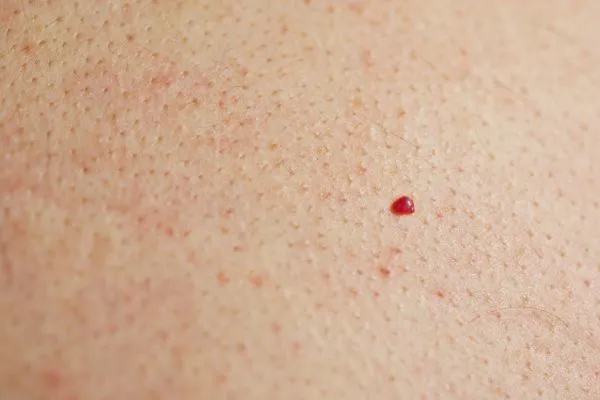
Cherry angiomas are small, red growths that typically appear on the skin in people over the age of 30. As we age, it is common to develop more cherry angiomas. In this article, we will examine the relationship between cherry angiomas and age, as well as the available treatment options.
What are Cherry Angiomas?
Cherry angiomas, also known as senile angiomas or Campbell de Morgan spots, are benign growths made up of clusters of blood vessels that appear on the skin. While they can appear anywhere on the body, they are most commonly found on the chest, back, and arms.
Do Cherry Angiomas Increase with Age?
Yes, it is common for people to develop more angiomas as they age. While they can appear at any age, they are most commonly found in people over the age of 30.
The exact reason for this increase is unknown, but it may be due to changes in blood vessel structure or genetics.
Other Factors that can Contribute to Cherry Angiomas
While age is a primary factor in the development of cherry angiomas, other factors can also contribute to their formation. These factors include:
- Genetics: Some individuals may be more prone to developing angiomas due to their genetic predisposition.
- Sun exposure: Prolonged sun exposure may damage the skin and weaken blood vessels, making it easier for cherry angiomas to form.
- Hormones: Low estrogen levels in women and hormonal changes during pregnancy may contribute to the development of angiomas.
FAQs: Cherry Angiomas & Ageing
Q1: What exactly is a cherry angioma?
A Angioma (also called a senile angioma or Campbell de Morgan spot) is a benign skin lesion made up of clusters of tiny blood vessels (capillaries and venules).
They appear as small, red, purple, or bluish spots, often slightly raised, and typically range in diameter from 1 mm to about 5 mm.
Q2: Why do cherry angiomas become more common as people age?
The incidence of angiomas strongly correlates with ageing.
- Many people begin to develop them after their 30s.
- Their number and size tend to increase with advancing age.
- In older adults (e.g. over 70 or 75), a large majority have one or more angiomas.
- The underlying mechanisms are not fully understood, but age-related changes in vascular structure, cumulative exposure to environmental stressors, and genetic mutations in skin blood vessels are believed to play roles.
Q3: Are cherry angiomas dangerous or a sign of illness?
In almost all cases, angiomas are harmless and benign—they are not cancerous.
However, you should see a dermatologist if a lesion:
- Changes shape, size, or colour.
- Begins to bleed often or is easily irritated.
- Appears very suddenly in large numbers (eruptive angiomas)
Rare case reports have linked eruptive angiomas with internal malignancies or certain systemic diseases, but such cases are extremely uncommon.
Q4: What factors besides ageing influence cherry angioma development?
Some additional contributing factors include:
- Genetics/Family History: A predisposition is often observed in family clusters.
- Hormonal changes are sometimes observed during pregnancy, possibly due to fluctuations in hormones.
- Chemical exposures/toxins: Some studies have linked angiomas to exposure to specific chemicals (e.g., bromides, nitrogen mustard, certain solvents), although the evidence is limited.
- Skin type/pigmentation: They may be more noticeable in individuals with fair skin, although they can occur in all skin types.
- Lifestyle/environmental factors: Sun exposure or cumulative oxidative damage may contribute over time (though direct evidence is weaker).
Q5: Can cherry angiomas be prevented or slowed?
Because the precise causes are not well understood, there is no guaranteed way to prevent angiomas entirely.
However, some general skin-health strategies might help minimise contributing effects:
- Protect skin from excessive sun / UV damage
- Maintain good vascular and skin health (e.g. avoid smoking, maintain healthy circulation)
- Avoid known chemical exposures where possible
- Monitor skin changes regularly and consult a dermatologist when new lesions or changes appear
Q6: If I already have cherry angiomas, will they worsen with age?
Yes, it is common for existing angiomas to enlarge gradually or for new ones to appear over time.
Sometimes they remain stable, and many are asymptomatic.
Q7: How are cherry angiomas removed (if desired)?
Removal is optional and typically performed for cosmetic reasons, to minimise bleeding risk, or to stop irritation.
Standard removal techniques include:
- Laser therapy (targeted light energy)
- Cryotherapy/freezing (freezing off)
- Electrocautery/electrosurgery (burning off)
- Curettage/shave excision (scraping or shaving off)
After removal, recurrence is possible either at the same site or as new lesions elsewhere.
Q8: When should I see a dermatologist or skin specialist?
You should seek medical evaluation if:
- Angioma that exhibits sudden growth, colour or shape changes
- It bleeds repeatedly or fails to heal
- You observe a rapid onset of many new lesions (eruptive pattern)
- You’re unsure whether a bump is a angioma or potentially something else (e.g. melanoma)
- You desire removal for cosmetic or practical reasons
A dermatologist can confirm the diagnosis, possibly perform a biopsy if in doubt, and suggest safe removal options.
Treatment Options for Cherry Angiomas:
If you have angiomas and are concerned about their appearance, effective treatment options are available.
At LA Lipo, we offer the following treatments:
- Laser therapy: This involves using a high-energy beam of light to target the blood vessels that supply the cherry angioma, causing it to shrink and eventually disappear.
- Cryotherapy: This involves freezing the cherry angioma with liquid nitrogen, causing the cells to die off and the growth to fall off.
- Electrocautery: This treatment involves using an electric current to burn off the cherry angioma. The growth will then scab over and eventually fall off.
Cherry angiomas are common benign growths that typically appear in people over the age of 30.
While they may become more prevalent with age, other factors, such as genetics, sun exposure, and hormonal changes, can also contribute to their development.
If you are concerned about the appearance of cherry angiomas, LA Lipo offers effective treatment options that can help address this concern.